
Metal Garages- Lincolnton NC
JOHNSON CARPORTS AND GARAGES
Metal Garages in Lincolnton, NC
Custom Steel Garage Buildings for Lincolnton Homes, Farms, Contractors, Workshops, Trailers, RVs, Boats & Lincoln County Storage Needs
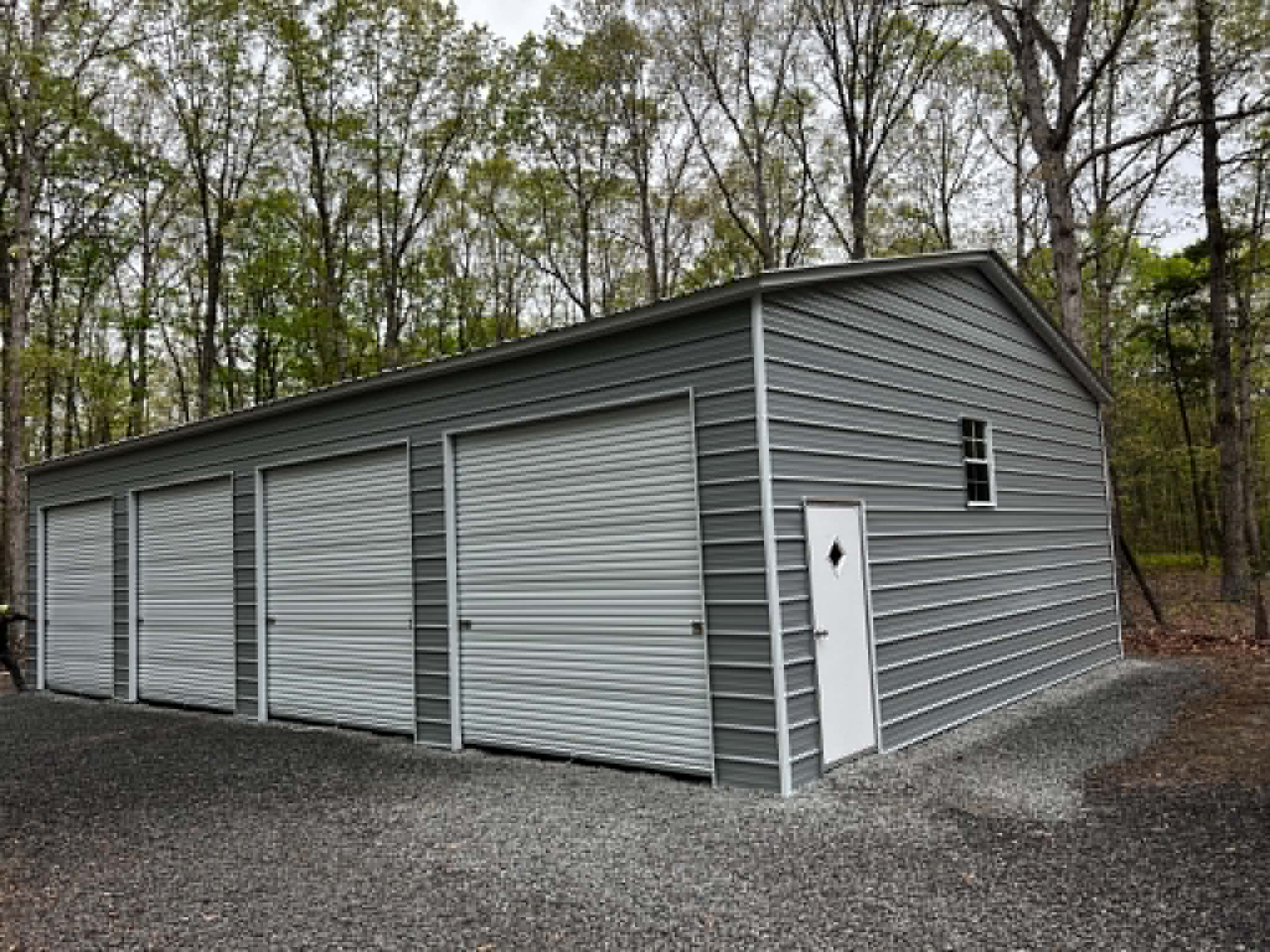
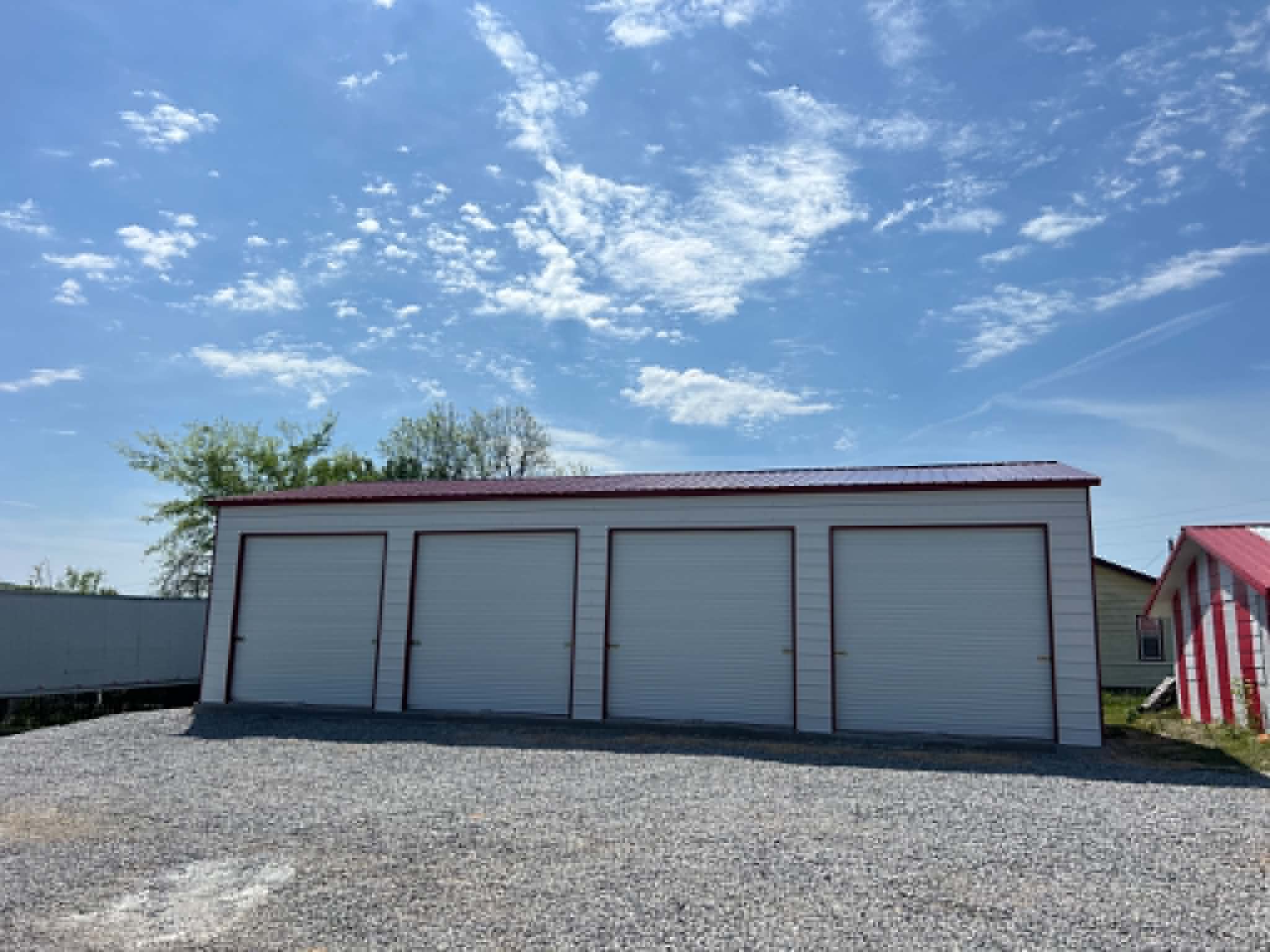
Johnson Carports and Garages provides custom metal garages, steel workshops, RV covers, boat storage buildings, trailer storage buildings, contractor storage buildings, work-truck garages, backyard shop buildings, mower storage buildings, side-by-side storage buildings, farm equipment shelters, small business storage buildings, fleet storage garages, and commercial steel garage structures throughout Lincolnton and surrounding Lincoln County communities. Our durable steel garage buildings are designed for western North Carolina Piedmont humidity, red clay soil conditions, rolling terrain, South Fork Catawba River-area moisture, US-321 access, NC-27 travel, NC-150 routes, NC-73 connections, Generals Boulevard traffic, rural acreage, suburban homes, contractor yards, small business sites, farm lanes, work trucks, trailers, mowers, tractors, side-by-sides, RVs, boats, tools, business inventory, and long-term storage performance across Lincolnton, Lincoln County, and the greater North Carolina region.
Custom Metal Garage Buildings in Lincolnton, North Carolina
Lincolnton, North Carolina is a strong metal garage market because it blends Lincoln County farmland, Charlotte-area commuter movement, western Piedmont property conditions, older in-town neighborhoods, small business storage needs, contractor traffic, Lake Norman access, rural acreage, and practical year-round storage. With US-321, NC-27, NC-150, NC-73, Generals Boulevard, East Main Street, West Main Street, Aspen Street, Gastonia Highway, Startown Road, Maiden Highway, and rural county roads moving commuters, contractors, trailers, work trucks, farm equipment, mowers, RVs, boats, and supplies through the area, storage needs in Lincolnton go far beyond simple vehicle parking.
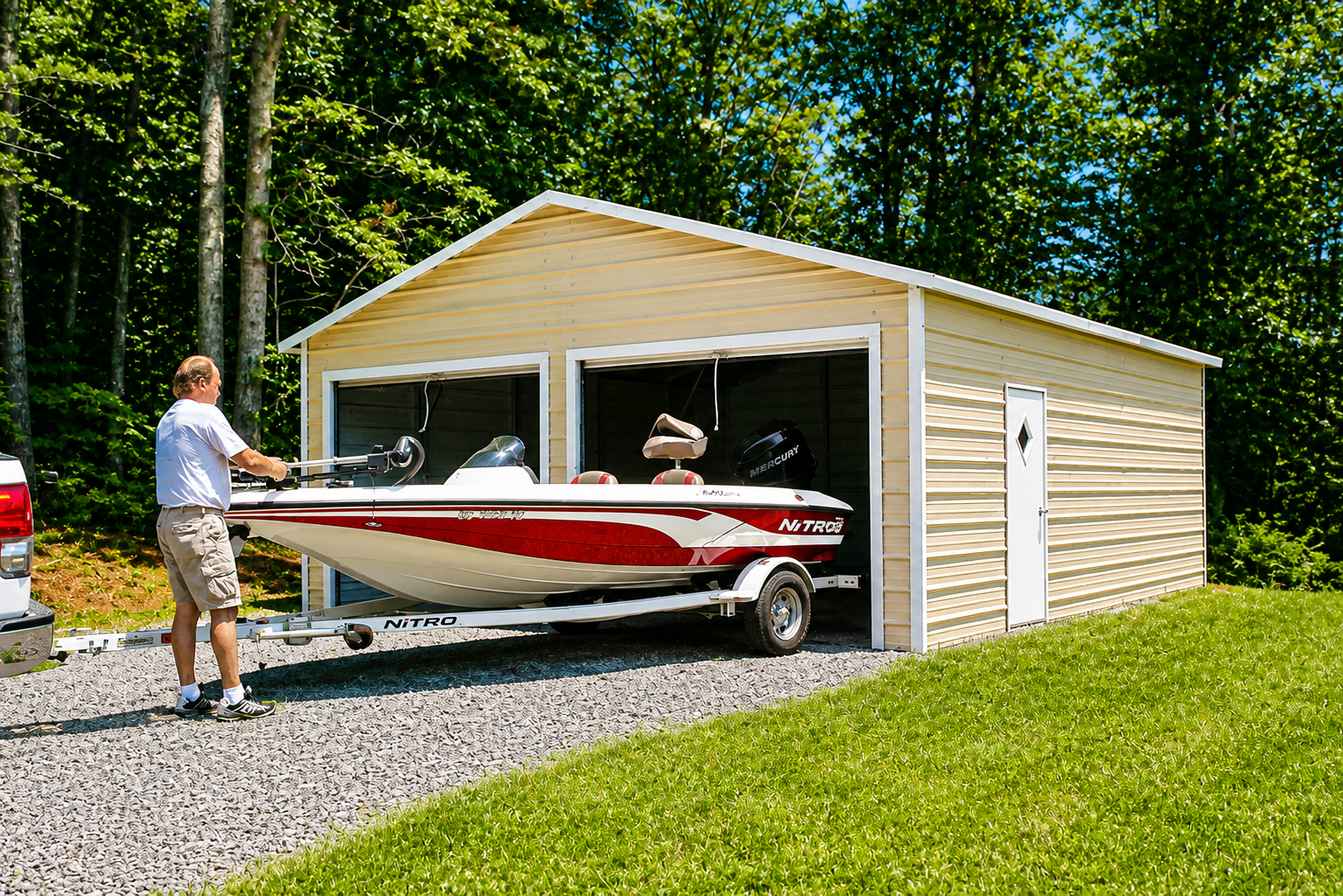
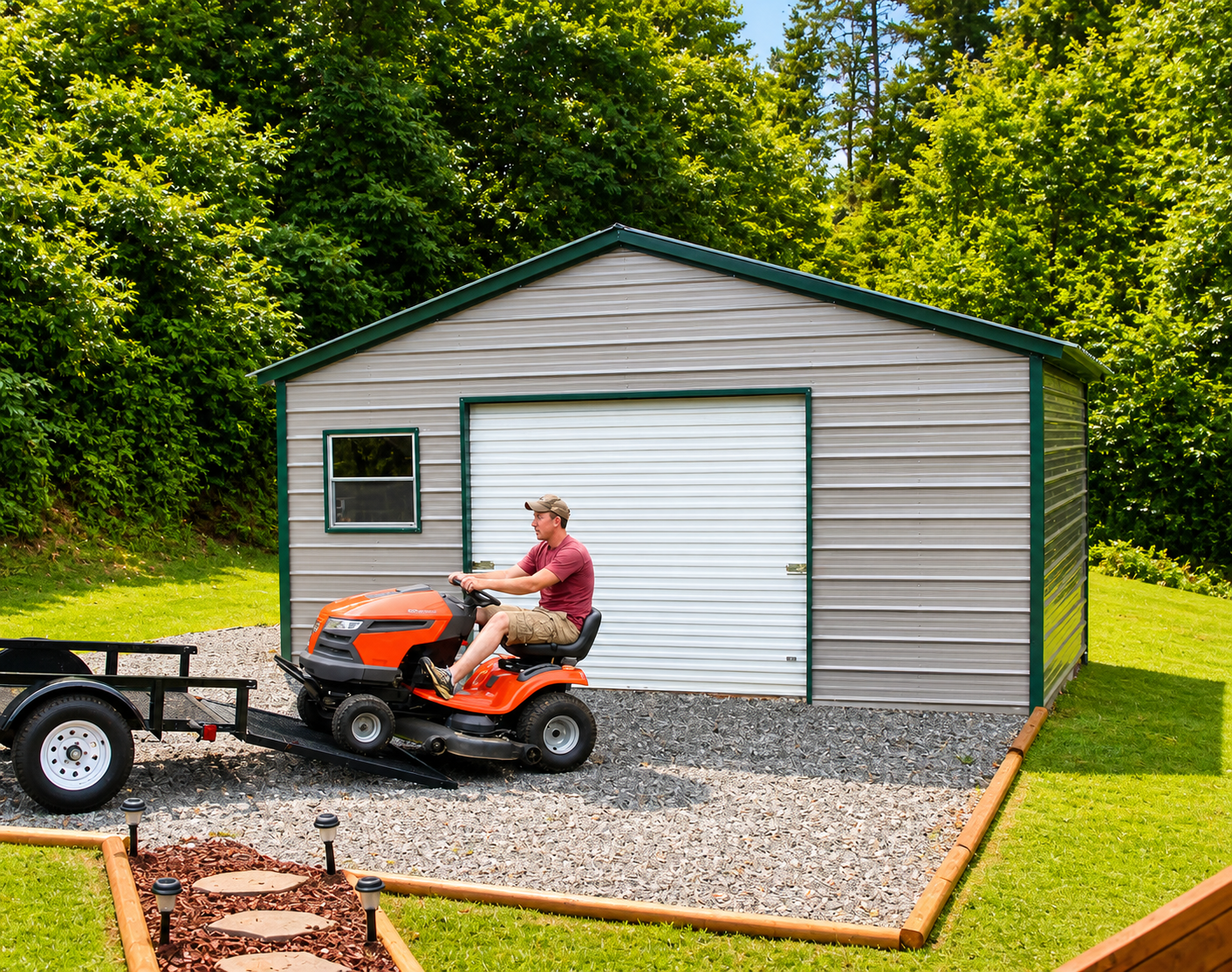
A custom metal garage in Lincolnton can serve as a detached vehicle garage, home workshop, contractor storage building, trailer storage structure, RV cover, boat storage building, mower and equipment shelter, motorcycle storage garage, side-by-side storage building, work-truck garage, backyard shop, farm support building, small business storage space, fleet support building, commercial garage, or multi-purpose steel structure for residential and business use. Whether your property is near downtown Lincolnton, Boger City, Iron Station, Denver, Crouse, Vale, Maiden, High Shoals, Alexis, Pumpkin Center, or rural land outside the city limits, a steel garage gives you dependable enclosed space designed around your property.
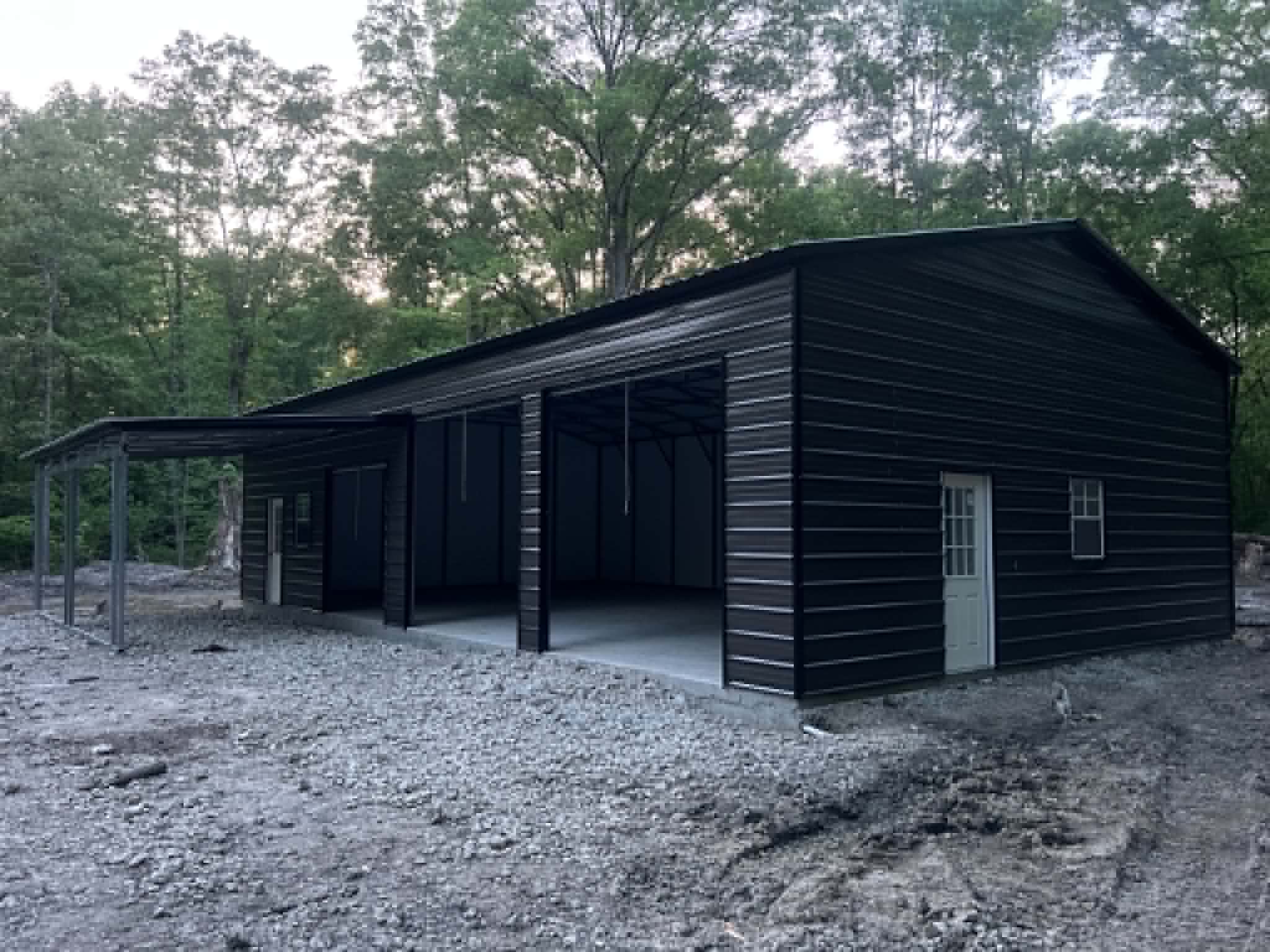
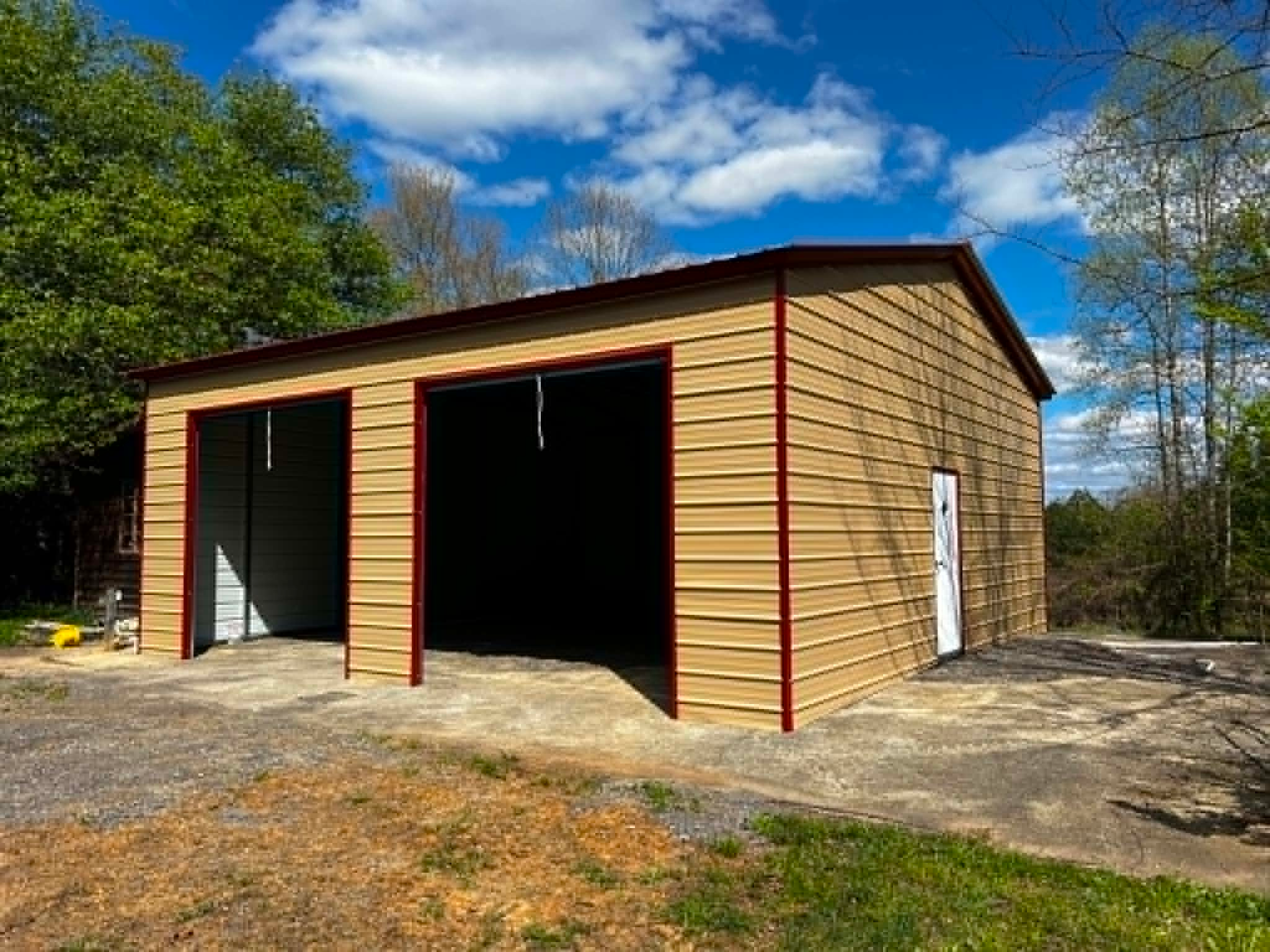
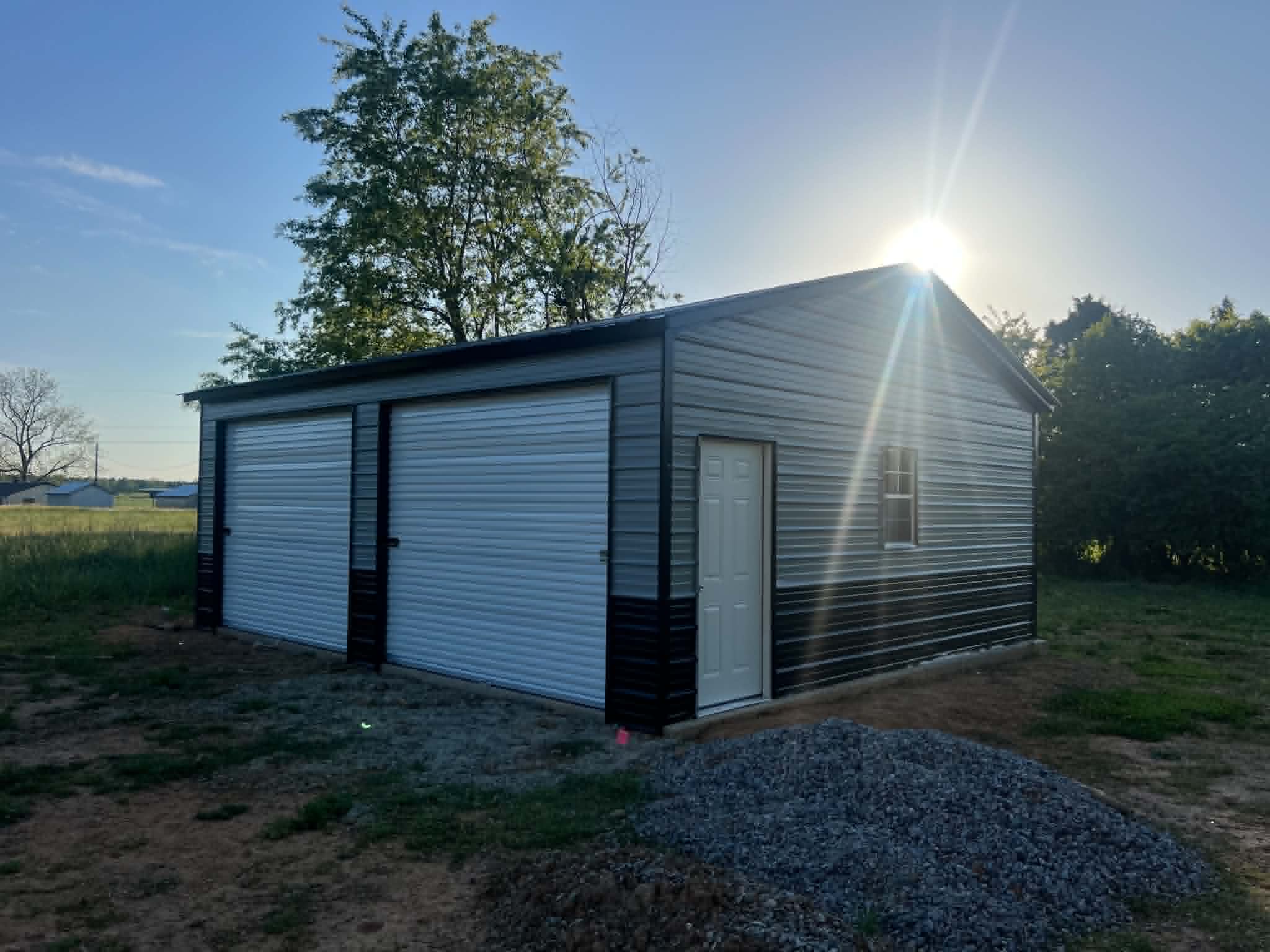
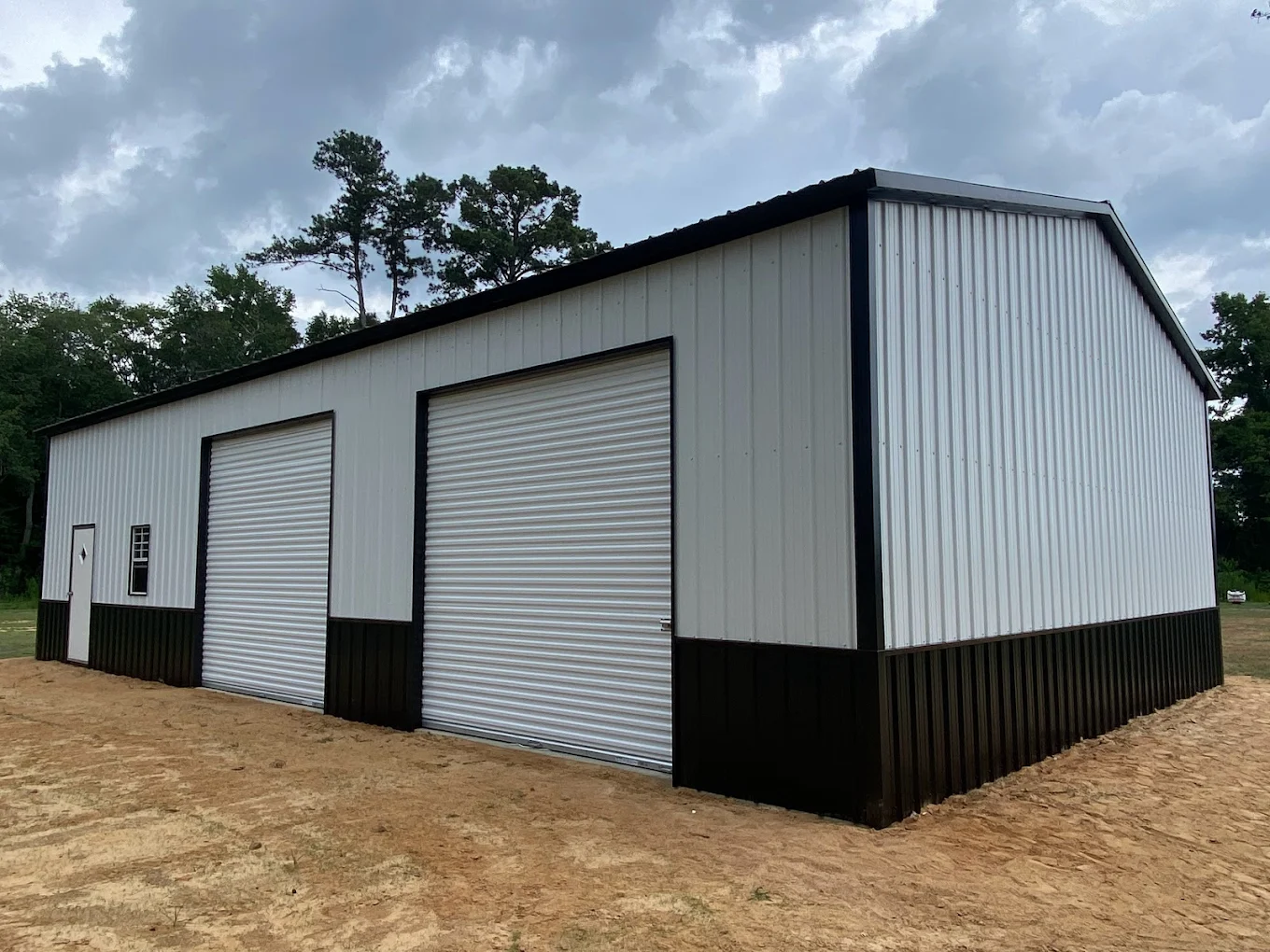
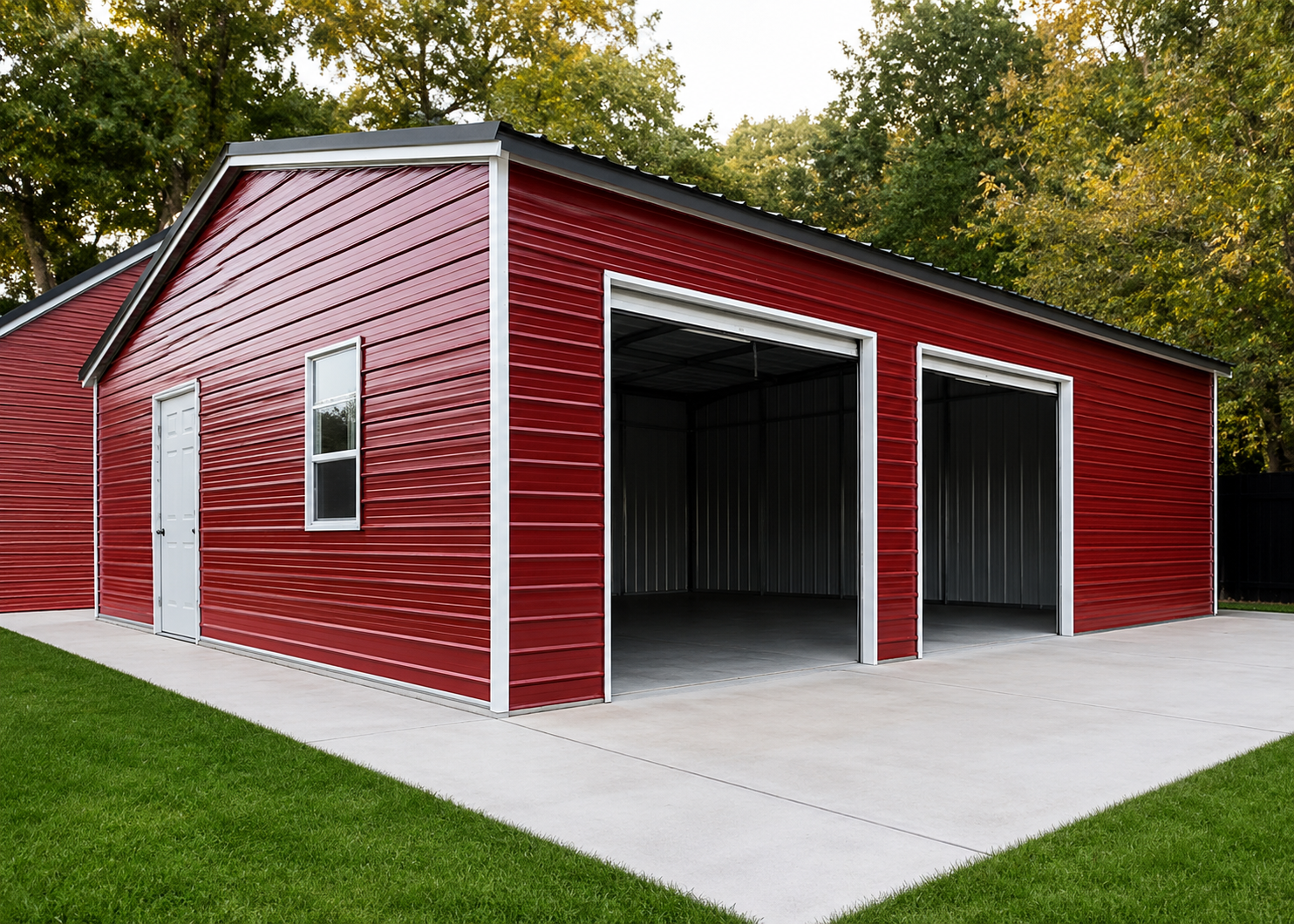
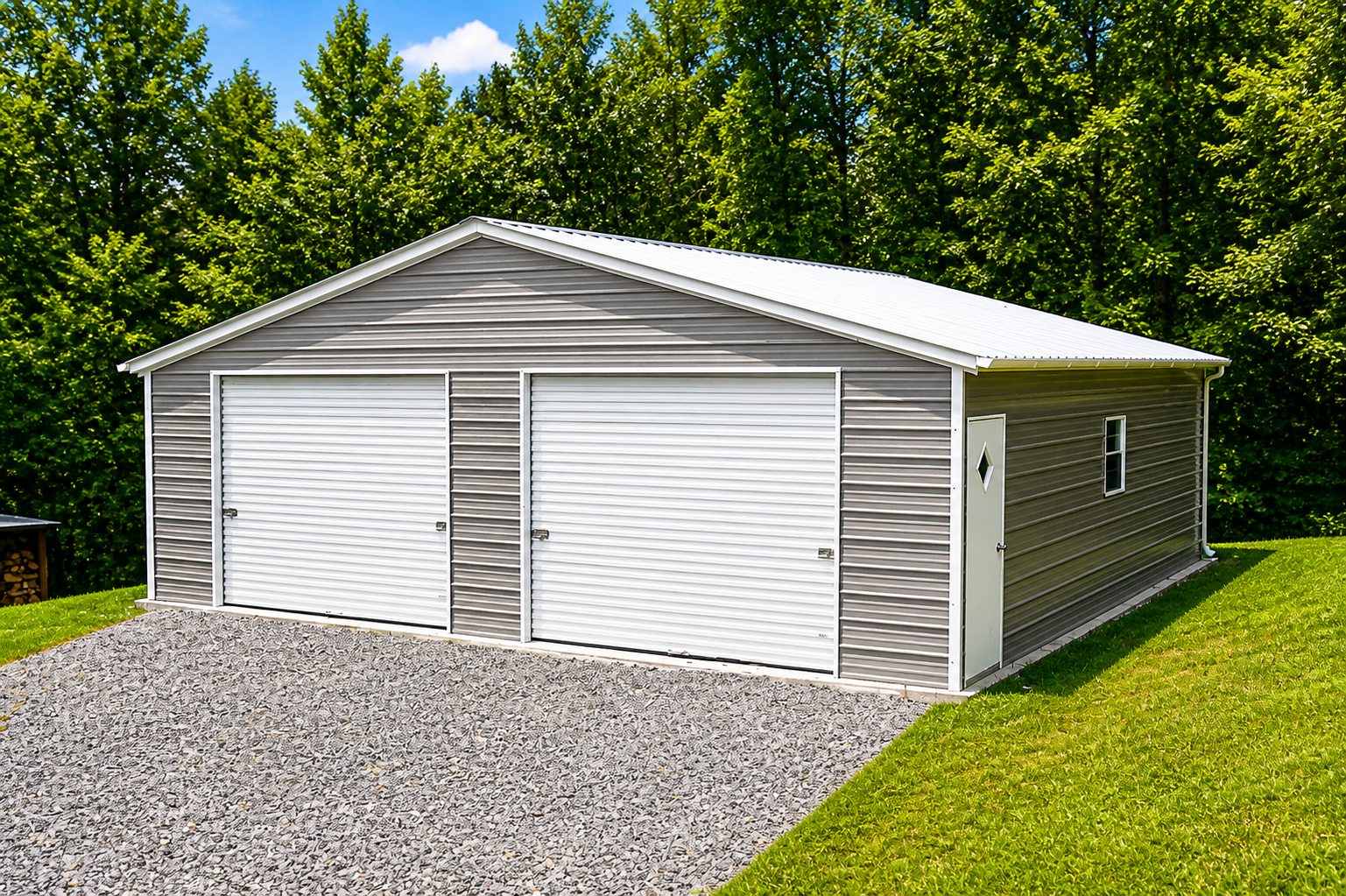
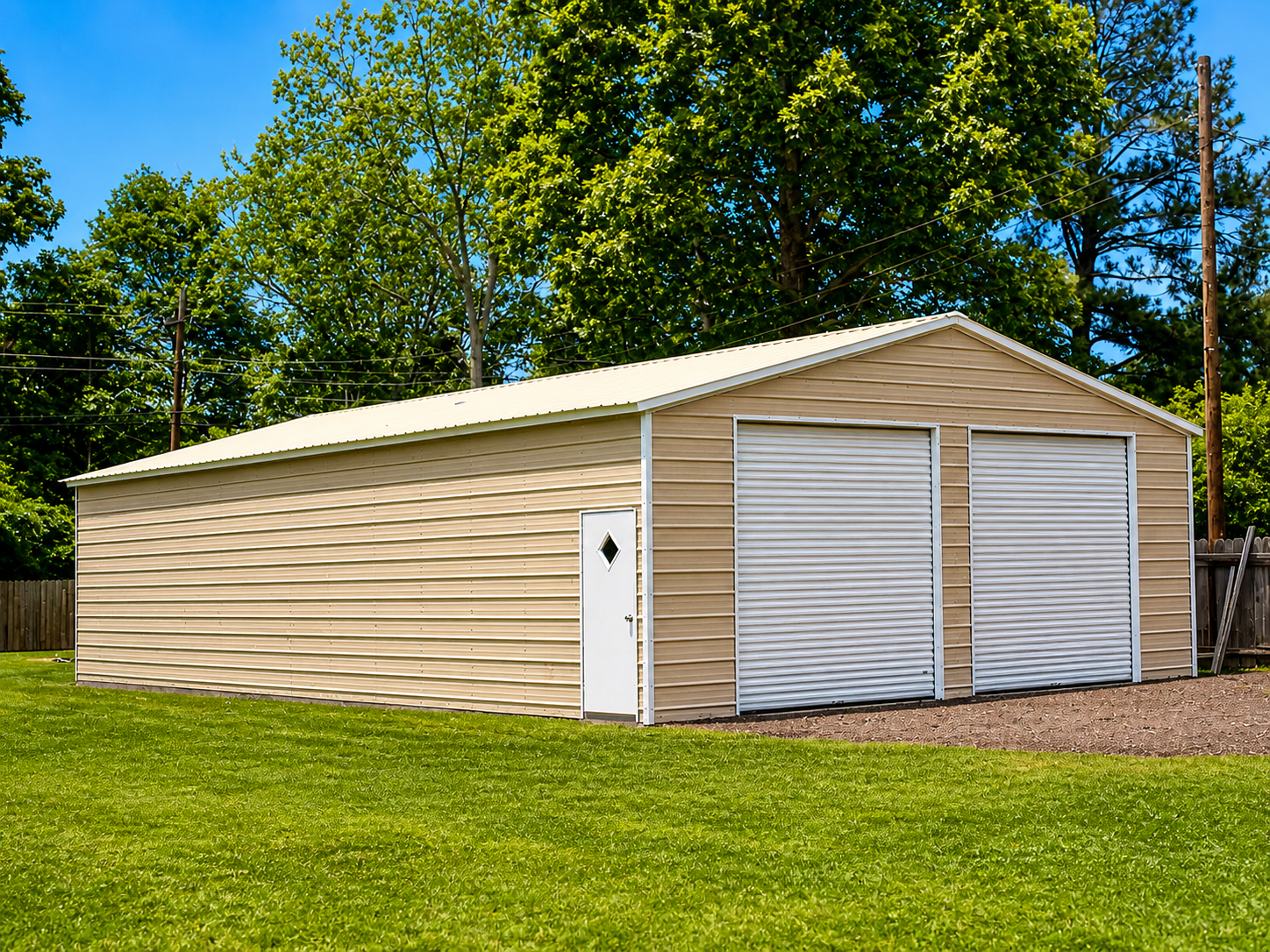
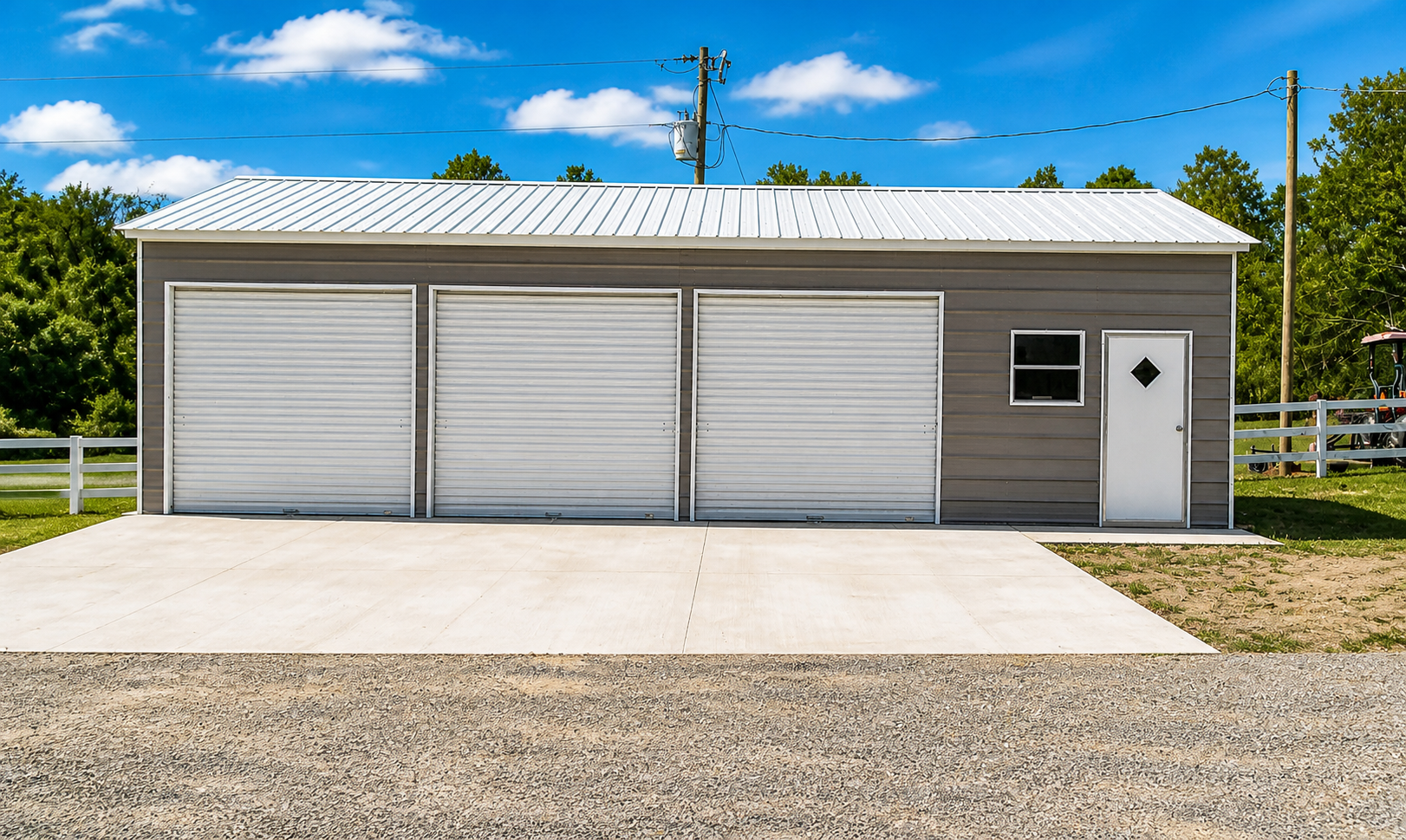
Johnson Carports and Garages offers fully customizable metal garage buildings with multiple roof styles, color combinations, roll-up garage doors, walk-in doors, windows, insulation options, lean-to additions, vertical roof systems, 12-gauge framing upgrades, 26-gauge panel upgrades, and flexible layouts for residential, contractor, farm, fleet, small business, suburban-property, rural-acreage, recreational, lake-area, and commercial use. From a simple two-car garage to a larger workshop, RV cover, contractor storage building, work-truck garage, trailer storage building, boat storage building, fleet storage building, side-by-side storage building, farm equipment shelter, backyard workshop, or commercial steel storage structure with multiple bays, we help Lincolnton customers design steel buildings built for long-term value.
Popular Metal Garage Sizes in Lincolnton, NC
20x20 Metal Garage
A practical two-car garage size for Lincolnton homeowners and commuters who need enclosed parking, motorcycle storage, mower protection, tool storage, household overflow space, side-by-side storage, seasonal items, lake gear, outdoor gear, or a compact backyard workshop near the home.
24x30 Steel Garage
A popular choice for trucks, SUVs, commuter vehicles, utility trailers, ATVs, side-by-sides, lawn equipment, contractor tools, home storage, farm supplies, boat gear, fishing equipment, hunting equipment, hobby equipment, and growing household or small business storage needs around Lincoln County.
30x40 Workshop Garage
Ideal for mechanics, contractors, landscapers, service businesses, hobby builders, boat owners, RV owners, small business owners, work-truck owners, homeowners, trailer owners, rural landowners, farm-property owners, and customers who want vehicle storage plus usable workspace.
40x60 Commercial Garage
Excellent for fleet vehicles, work trucks, large trailers, business inventory, contractor storage, service bays, RV storage, boat storage, commercial storage, farm equipment, rural-property equipment, and larger multi-bay steel garage layouts near Lincolnton and the US-321/NC-27/NC-150 region.
Common Uses for Metal Garages in Lincolnton
Metal garage buildings in Lincolnton serve a wide range of residential, contractor, commuter, agricultural, small business, fleet-support, rural-acreage, lake-area, suburban-property, recreational, and commercial purposes. The area is shaped by US-321, NC-27, NC-150, NC-73, Generals Boulevard, Main Street, Gastonia Highway, Startown Road, Maiden Highway, South Fork Catawba River-area properties, red clay soil conditions, rural roads, contractor routes, residential neighborhoods, and travel between Lincolnton, Boger City, Iron Station, Denver, Crouse, Vale, Maiden, High Shoals, Alexis, Dallas, Stanley, and surrounding Lincoln County communities. Steel garages are especially useful for customers who need dependable protection for vehicles, tools, trailers, boats, side-by-sides, tractors, equipment, inventory, workshop projects, fleet vehicles, and work trucks.
- Residential vehicle garages for cars, trucks, SUVs, commuter vehicles, and family vehicles
- Detached garages for Lincolnton homes, country homes, rural properties, backyard workshop spaces, farms, lake-area lots, wooded lots, and Lincoln County acreage
- Workshop garages for mechanics, woodworking, welding, repairs, hobbies, equipment maintenance, motorcycle projects, and weekend work
- Contractor storage for tools, ladders, trailers, jobsite materials, service equipment, work vehicles, and business supplies
- Small business storage for inventory, parts, displays, seasonal items, service equipment, supplies, and materials
- Farm and acreage storage for tractors, mowers, implements, attachments, fencing supplies, feed, seed, and maintenance tools
- Boat, fishing, camping, hunting, Lake Norman recreation, South Fork Catawba-area gear, and weekend storage for Lincoln County property owners
- Work-truck and fleet storage for local businesses, delivery operations, service companies, landscaping crews, and North Carolina contractors
- ATV, side-by-side, motorcycle, mower, trailer, tractor, and utility vehicle protection
- RV, camper, boat, enclosed trailer, utility trailer, and weekend recreation storage
- Commercial steel buildings for larger storage, service, fleet support, contractor operations, inventory, farm support, and business-use needs
Why Lincolnton Property Owners Choose Steel Garage Buildings
Lincolnton is a strong fit for custom metal garages because the area blends western Piedmont highway access, rural Lincoln County acreage, Charlotte-region commuter movement, farm support, contractor work, small business activity, outdoor recreation, RV ownership, trailer ownership, boat ownership, fleet support, and practical year-round property protection. A homeowner near downtown Lincolnton, East Main Street, West Main Street, Generals Boulevard, Boger City, or the NC-27 corridor may need a clean detached garage for vehicles and household storage, while a property owner near Iron Station, Denver, Crouse, Vale, Maiden, High Shoals, Alexis, or rural roads outside Lincolnton may need a taller steel building for trailers, mowers, side-by-sides, tractors, boats, work trucks, RVs, service equipment, business inventory, and seasonal supplies.
Steel garage buildings work well in Lincolnton because they can be customized around the actual use of the property instead of forcing the customer into a standard layout. Customers can choose width, length, height, roof style, roll-up door placement, walk-in doors, windows, lean-to coverage, insulation packages, color combinations, and framing upgrades. That flexibility matters in the Lincolnton area, where one customer may need a compact garage near a neighborhood home and another may need a taller building for RV storage, boat storage, contractor tools, farm equipment, work trucks, business supplies, trailers, side-by-sides, fleet vehicles, or commercial use.
Many Lincolnton customers also choose metal garages because steel is a practical long-term building material. Compared to many traditional wood structures, steel does not rot, warp, or attract termites the same way lumber can. For homeowners, contractors, business owners, commuters, rural landowners, farmers, RV owners, boat owners, outdoor recreation users, service providers, small companies, fleet operators, and North Carolina property owners who want dependable storage without constant upkeep, a custom metal garage is a strong investment.
Built for Lincolnton Rain, Humidity, Red Clay, Rolling Terrain & Piedmont Weather
Lincolnton properties deal with hot humid summers, seasonal rain, thunderstorms, damp mornings, shaded lots, wooded-lot moisture, red clay soil conditions, rolling western Piedmont terrain, South Fork Catawba River-area moisture, falling leaves, wind, occasional winter weather, freeze-thaw swings, and changing conditions across neighborhoods, residential driveways, rural acreage, contractor yards, farm lanes, commercial sites, wooded lots, fleet yards, and US-321 or NC-150 corridor properties. These conditions can be hard on trucks, trailers, tools, motorcycles, ATVs, RVs, boats, mowers, tractors, side-by-sides, work vehicles, stored materials, fishing gear, and business equipment. A metal garage helps protect valuable property from moisture, sun exposure, winter weather, falling debris, and daily wear.
Vertical roof metal garages are especially popular in Lincolnton and the surrounding Lincoln County region because the panel direction helps shed rain, light snow, leaves, pine needles, and debris more efficiently. This is valuable for residential driveways, shaded lots, larger rural properties, contractor yards, equipment storage sites, commercial lots, farm support buildings, boat storage buildings, RV garages, fleet storage buildings, and buildings installed near tree lines, open lots, slopes, or moisture-prone areas.
For customers who want additional strength, upgraded 12-gauge framing and 26-gauge paneling are available. These upgrades are commonly considered for larger garages, workshop buildings, RV covers, trailer storage buildings, boat storage buildings, contractor storage buildings, farm equipment shelters, work-truck garages, side-by-side storage buildings, fleet storage buildings, commercial buildings, and exposed North Carolina Piedmont installations where long-term durability matters.
Custom Garage Options Available in Lincolnton, NC
Every Lincolnton property is different, and your garage should be built around your space, access, storage needs, and long-term plans. A residential lot may need a clean two-car garage with a walk-in door and storage wall, while a contractor, small business owner, RV owner, boat owner, rural landowner, farm-property owner, commuter-property owner, fleet operator, trailer owner, Lake Norman-area property owner, or commercial property owner may need extra width, taller sidewalls, multiple roll-up doors, lean-to coverage, insulation, and space for trailers, trucks, tools, mowers, tractors, side-by-sides, boats, inventory, fleet vehicles, or equipment.
Roof Styles
Choose from regular, boxed-eave, and vertical roof styles. Vertical roof systems are often recommended for Lincolnton garages because they help rain, pine needles, leaves, and North Carolina Piedmont debris shed more efficiently.
Doors & Access
Add roll-up garage doors, walk-in doors, windows, side entries, end-wall doors, or multiple bay openings depending on how vehicles, work trucks, tools, trailers, mowers, tractors, side-by-sides, RVs, boats, inventory, fleet vehicles, and equipment will move through the building.
Insulation Options
Insulation can help reduce condensation, improve comfort, and make the building more usable for workshops, enclosed storage, hobby spaces, tool rooms, business supplies, stored vehicles, RV gear, boat gear, side-by-sides, farm supplies, fleet equipment, inventory, and year-round projects.
Frame & Panel Upgrades
Upgrade to heavier framing or thicker paneling for added strength, durability, and long-term confidence in residential, commercial, contractor, rural-acreage, commuter, farm, fleet, lake-area, wooded-lot, or heavy-use storage conditions.
Lean-Tos & Add-Ons
Lean-tos are useful for covered outdoor storage, trailers, equipment, mowers, boats, firewood, motorcycles, fishing gear, hunting gear, tools, work materials, tractors, side-by-sides, farm supplies, Lake Norman recreation gear, fleet support items, and anything that needs shade and rain protection.
Color Combinations
Select roof, wall, trim, and wainscot colors to complement your home, workshop, business, rural acreage, farm property, wooded lot, lake-area lot, equipment shed, commercial lot, fleet building, or existing structures on your Lincolnton-area property.
Average Metal Garage Pricing in Lincolnton, NC
Metal garage pricing in Lincolnton varies based on building width, length, height, roof style, certification requirements, framing gauge, panel gauge, insulation, roll-up doors, walk-in doors, windows, lean-tos, foundation type, sloped-lot planning, and other customization choices. A simple two-car garage will generally cost less than a tall RV garage, insulated workshop, contractor storage building, trailer storage building, boat storage building, side-by-side storage building, work-truck garage, farm equipment shelter, fleet storage building, or large multi-bay commercial steel garage.
The pricing ranges below are general starting estimates only. Final pricing depends on your exact building design, installation location, current manufacturer pricing, selected upgrades, and site-specific requirements.
| Garage Size | Estimated Starting Range | Common Lincolnton-Area Use |
|---|---|---|
| 20x20 | $8,000 - $12,000+ | Two-car storage, commuter vehicles, motorcycles, tools, mowers, side-by-sides, outdoor gear, lake gear, and household items |
| 24x30 | $12,000 - $18,000+ | Trucks, utility trailers, small tractors, contractor tools, lawn equipment, home storage, farm supplies, boat gear, business supplies, and mixed storage |
| 30x40 | $20,000 - $35,000+ | Workshop space, contractor storage, work-truck storage, trailer storage, RV gear, business inventory, acreage equipment, farm tools, boat storage support, and hobby use |
| 40x60 | $40,000 - $70,000+ | Commercial storage, fleet vehicles, inventory, trailers, RVs, tractors, contractor equipment, service vehicles, farm equipment, and large workshop layouts |
Metal Garage Permits in Lincolnton, NC
If you are planning to install a metal garage in Lincolnton, North Carolina, you will generally need to confirm whether your property is located inside the City of Lincolnton, inside the city’s zoning jurisdiction, or in an unincorporated area of Lincoln County. Lincolnton states that building permits are issued through Lincoln County, but properties located within the city’s zoning jurisdiction may need a city zoning permit first to confirm that the project meets local zoning rules, setbacks, placement limits, and accessory-structure requirements.
A detached metal garage, enclosed steel garage, carport, RV cover, workshop, storage building, equipment shelter, or accessory structure may require zoning review, building permit approval, plan review, site plan review, engineered drawings, inspections, separate trade permits, driveway review, utility clearance, easement review, septic approval, stormwater review, and final inspection before the structure can be used. Even when the garage is detached from the home, it may still be reviewed as an accessory structure because it includes framing, anchoring, roof loads, wall loads, wind resistance, foundation work, and North Carolina Building Code requirements.
Lincolnton and Lincoln County properties can include in-town residential lots, older neighborhoods, rural homesites, farms, wooded acreage, workshop properties, small business parcels, equipment-storage sites, lake-area lots, and larger properties near Boger City, Iron Station, Denver, Vale, Crouse, Maiden, Cherryville, High Shoals, Pumpkin Center, Lake Norman, NC-27, NC-150, US-321, and the western Charlotte metro corridor. Because metal garages in this area are commonly used for vehicles, tractors, trailers, boats, mowers, side-by-sides, work trucks, tools, RV storage, farm equipment, and workshop space, property owners should verify zoning and building permit requirements before pouring concrete, grading, setting anchors, or scheduling installation.
Important Lincolnton Garage Permit Notes
- Start by confirming city or county jurisdiction. A Lincolnton mailing address does not always mean the property is inside the City of Lincolnton. Confirm whether the property is inside city limits, a city zoning area, or unincorporated Lincoln County before applying.
- City zoning approval may be required before the county building permit. Lincolnton states that building permits are issued through Lincoln County, but properties in the city’s zoning jurisdiction may need a zoning permit first.
- Accessory structures may require a Lincolnton zoning permit. The City of Lincolnton states that a zoning permit is required for new construction, building expansions, and accessory structures measuring over 12 feet by 12 feet. The city also notes that city approval may be necessary if Lincoln County requires a building permit.
- Lincoln County uses an Accessory Structure Permit Application. Lincoln County lists an Accessory Structure Permit Application for accessory structures with any dimension of 12 feet or greater.
- Side and rear yard setbacks matter. Lincolnton’s accessory-structure ordinance allows accessory structures in side and rear yards when they observe a 10-foot setback from the side or rear lot line, subject to the full ordinance and zoning district rules.
- Accessory garages have additional residential rules. Lincolnton’s ordinance allows lots to have an accessory garage of no greater than 500 square feet when it meets required setbacks and is designed primarily to house automobiles, while other accessory-structure size and location rules may also apply.
- A site plan is typically needed. Your site plan should show property boundaries, the proposed garage location, existing structures, roads, driveways, easements, utilities, septic areas, drainage areas, slopes, floodplain areas, and setback distances.
- Engineered drawings may be required. Metal garages may need manufacturer drawings or engineered plans showing framing, foundation, anchoring, roof style, wall sections, wind load, snow load, live load, dead load, uplift resistance, and structural design details.
- Separate trade permits may apply. Electrical, plumbing, mechanical, HVAC, sewer, water-line, gas, driveway, grading, or stormwater work may require separate permits, licensed trades, and additional inspections.
- North Carolina contractor licensing threshold is currently $40,000 or more. A North Carolina licensed general contractor is generally required when the cost of the undertaking is $40,000 or more, unless a valid exemption applies.
Step 1: Contact Lincolnton Planning or Lincoln County Planning & Inspections
Before ordering a metal garage, preparing the site, pouring a concrete slab, extending a driveway, trenching utilities, or scheduling installation, confirm the correct permit office for your exact property. If your property is inside the City of Lincolnton or subject to city zoning, begin with the City of Lincolnton Planning Department for zoning approval. Once zoning is confirmed, building permits and inspections are typically handled through Lincoln County Planning & Inspections.
The City of Lincolnton states that building permits are issued through Lincoln County, but a zoning permit may be needed first for properties in the city’s zoning jurisdiction. City zoning review helps confirm whether the proposed metal garage is allowed in the selected location, whether it meets setbacks, whether it is properly located in the side or rear yard, whether it complies with lot coverage and accessory-structure limits, and whether the building conflicts with easements, rights-of-way, or other local zoning rules.
Lincoln County Planning & Inspections is located at 115 W. Main Street, Lincolnton, NC 28092. Lincoln County lists Planning & Inspections phone number 704-736-8440, and its residential application resources include an Accessory Structure Permit Application for structures with any dimension of 12 feet or greater. If your property is outside city limits, begin with Lincoln County to confirm whether county zoning, building, septic, floodplain, driveway, environmental health, or trade permits apply.
City of Lincolnton Zoning
City of Lincolnton Planning Department
Lincolnton, NC 28092
Use the city planning office for zoning permits, accessory-structure placement, city setbacks, lot coverage, height limits, and residential garage location questions.
Lincolnton notes that city zoning approval may be needed before Lincoln County issues the building permit.
Lincoln County Planning & Inspections
Lincoln County Planning & Inspections
115 W. Main Street
Lincolnton, NC 28092
Phone: 704-736-8440
Office Hours: Monday–Friday, 8:00 AM–5:00 PM
Inspector Office Hours: 7:00–8:00 AM and 2:45–3:30 PM
Online Permit Portal
Lincoln County Community Development Portal
Use the county online portal to access community development services, search permit information, and complete common permitting tasks online when available.
Step 2: Check Zoning, Setbacks, Lot Coverage, Easements, Septic, and Garage Placement
Before ordering a metal garage, verify where the structure can legally sit on your Lincolnton or Lincoln County property. Detached accessory structures may need to meet zoning district standards, front-yard, side-yard, and rear-yard setbacks, accessory-building placement rules, height limits, lot coverage limits, driveway access requirements, easement clearances, stormwater requirements, septic setbacks, well setbacks, floodplain restrictions, lake-area restrictions, slope concerns, and utility clearances.
Lincolnton’s accessory-structure ordinance allows accessory structures in side yards when they observe a 10-foot side-yard setback from the side lot line, and in rear yards when they observe a 10-foot setback from the rear lot line. The same ordinance also includes rules for accessory garages, lot coverage, height, and relationship to the principal residential use. These details should be reviewed before choosing the final garage size, height, door placement, and building location.
For county properties outside Lincolnton, confirm whether Lincoln County zoning, septic approval, floodplain review, driveway review, lake-area restrictions, or environmental health approval is required before the building permit can be issued. A garage that looks acceptable on a sketch can still be delayed if it conflicts with a road right-of-way, property line, septic field, drainage easement, utility easement, floodplain area, lake buffer, steep slope, or neighboring structure.
Lincolnton Placement Items to Confirm
- Whether the property is inside Lincolnton city limits, city zoning jurisdiction, or unincorporated Lincoln County.
- Whether the project needs a City of Lincolnton zoning permit before the Lincoln County building permit.
- Whether the garage has any dimension of 12 feet or greater and requires Lincoln County’s Accessory Structure Permit Application.
- Required front, rear, side, and road-facing setbacks for the property’s zoning district.
- Whether the garage must be placed in the side yard, rear yard, behind the primary residence, or outside certain front-yard areas.
- Whether the garage qualifies under the city’s accessory garage rules, including size, use, required setbacks, and relationship to the principal dwelling.
- Lot coverage limits, accessory-structure area limits, height limits, and whether the accessory building may exceed the height of the principal structure.
- Required distance from the proposed garage to the home, driveway, road, fences, decks, patios, sheds, carports, barns, retaining walls, pools, and other structures.
- Recorded easements, utility easements, drainage easements, rights-of-way, access easements, stormwater easements, and subdivision plat notes.
- Septic tank location, septic field lines, septic repair area, wells, water lines, sewer laterals, gas lines, underground electric, cable, fiber, and communication lines.
- Floodplain status, stormwater flow, roadside ditches, culverts, swales, low areas, creeks, slopes, retaining walls, and grading concerns.
- Driveway access, driveway apron requirements, city or NCDOT driveway permit requirements, and roadside drainage impacts.
- Lake Norman, watershed, floodplain, shoreline, stormwater, or drainage-sensitive conditions if applicable.
- HOA rules, neighborhood covenants, deed restrictions, architectural review requirements, farm-use limitations, commercial-use limits, or private subdivision rules.
- Whether electrical, plumbing, HVAC, mechanical, sewer, water-line, driveway, grading, or stormwater work will require separate permits.
Step 3: Prepare a Site Plan or Survey for the Metal Garage
A site plan or survey is one of the most important documents for a Lincolnton metal garage permit. The plan should show the proposed garage footprint, exact dimensions, property lines, existing structures, driveways, easements, utilities, septic areas, drainage features, floodplain areas, slopes, and setback distances. This helps the City of Lincolnton or Lincoln County verify that the proposed garage location complies with zoning, property-line requirements, easements, utilities, drainage routes, and site conditions.
For a detached garage, the site plan should clearly show the shape and size of the lot, the building footprint, distance from the proposed garage to property lines, and the relationship between the garage and any existing buildings. If the garage will include a new concrete slab, driveway extension, electrical service, plumbing, HVAC, grading, retaining work, drainage improvements, or utility trenching, those details should be shown or described as part of the permit package.
If you have a recorded plat, survey, closing-document plot plan, subdivision plat, or professionally prepared site plan, use that as the starting point. Mark the exact garage location and include the width, length, sidewall height, overall height, roof style, doors, windows, foundation type, anchoring method, and intended use. Larger enclosed garages, RV garages, workshops, equipment shelters, farm-use garages, lake-area storage buildings, and garages with utilities may require more detailed plan review than a small storage structure.
Your Lincolnton Garage Site Plan Should Typically Show:
- Property boundaries and lot dimensions.
- Recorded plat, survey, or plot plan if available.
- Existing home, driveway, sidewalks, decks, patios, pools, sheds, fences, carports, barns, retaining walls, and nearby structures.
- Proposed metal garage footprint, including width, length, roof area, sidewall height, overall height, and maximum height.
- Distance from the garage to front, rear, side, and road-facing property lines.
- Distance from the garage to the primary home and other structures.
- Required setback lines, building envelopes, utility easements, drainage easements, access easements, rights-of-way, and stormwater routes.
- Driveway access, parking areas, road frontage, roadside ditches, culverts, swales, creeks, and drainage paths.
- Existing grades, proposed finish grades, slope direction, retaining walls, or drainage direction if required for review.
- Proposed concrete slab, footing, pier system, foundation wall, gravel pad, or anchoring location.
- Septic systems, wells, sewer laterals, utility services, and underground lines if applicable.
- Floodplain, drainage, erosion-control, driveway, septic, well, watershed, lake-area, slope, or NCDOT information if applicable.
- Any planned electrical, plumbing, HVAC, mechanical, sewer, water-line, grading, stormwater, drainage, retaining wall, or utility work.
- Any HOA, subdivision, deed restriction, architectural review, agricultural-use, commercial-use, historic-area, lake-area, or private approval note that may affect garage placement, size, color, roof style, siding material, or exterior appearance.
Step 4: Gather Building Plans and Engineered Metal Garage Drawings
Metal garages are commonly prefabricated or pre-engineered building systems. For a Lincolnton or Lincoln County metal garage, be prepared to provide construction plans, manufacturer specifications, product details, and engineered drawings if requested by the planning department, building official, plan reviewer, zoning staff, or county permit office. These documents help show how the structure is framed, braced, anchored, supported, and attached to the foundation or pad.
Manufacturer drawings may show the garage width, length, wall height, roof style, framing system, wall sections, foundation or slab details, anchoring method, wind rating, snow load rating, live load, dead load, structural design, load calculations, and uplift resistance. These details are especially important for fully enclosed garages, vertical roof systems, taller sidewalls, wide roll-up doors, RV garages, equipment shelters, workshops, farm-use buildings, and structures used for vehicles, trailers, tools, or small business storage.
If the garage will be installed on a concrete slab, pier system, engineered foundation, or anchored foundation, ask whether the foundation plan must be sealed by a North Carolina registered engineer or architect. Taller sidewalls, wide roll-up doors, vertical roof systems, RV garages, enclosed workshops, and larger clear-span buildings may require more detailed structural documentation than a basic small storage building.
If the garage will include electricity, lighting, outlets, a workshop subpanel, HVAC, plumbing, drains, water service, sewer connection, a bathroom, lift equipment, office space, commercial use, or conditioned shop space, ask which trade permits and licensed contractors are required. Lincoln County’s residential application page lists a Trades Permit Application for electrical, mechanical, and plumbing trades, which may apply if utilities are being added to the garage.
Common Items to Prepare
- City of Lincolnton zoning permit or zoning approval if the property is inside city zoning jurisdiction.
- Lincoln County Accessory Structure Permit Application if the garage has any dimension of 12 feet or greater.
- Property owner and parcel information, including address, parcel number, owner details, contractor details, and project scope.
- Site plan or survey showing property lines, garage location, setbacks, roads, utilities, drainage paths, septic areas, easements, slopes, and existing structures.
- Garage dimensions and project details including width, length, height, sidewall height, roof style, enclosure package, doors, windows, and intended use.
- Total project value or construction cost estimate for permit fee calculation and contractor licensing review.
- Building plans or manufacturer specifications for the metal garage.
- Sealed or engineered drawings showing framing, roof system, wall sections, bracing, wind rating, snow rating, live load, dead load, uplift resistance, structural loads, and anchoring if requested.
- Foundation and anchorage details showing slab, footings, piers, anchor bolts, concrete anchors, ground anchors, or another approved anchoring method.
- Electrical, plumbing, HVAC, mechanical, stormwater, septic, sewer, water-line, grading, driveway, retaining wall, or utility information if those items apply.
- Floodplain, drainage, erosion-control, driveway, septic, well, watershed, lake-area, slope, or NCDOT information if the site conditions require it.
- HOA, restrictive covenant, subdivision, architectural review, commercial-use, agricultural-use, historic-area, lake-area, or deed restriction information if your property has private approval rules or use restrictions.
- Homeowner, contractor, and trade contractor information, including North Carolina licensing information or owner-builder affidavit documentation if the project scope requires it.
Step 5: Submit the Application to Lincolnton or Lincoln County
Once your site plan, zoning information, engineered drawings, foundation details, contractor information, and trade information are ready, submit the permit package through the proper process. If the project is inside Lincolnton’s zoning jurisdiction, begin with the City of Lincolnton zoning permit process. The city’s FAQ explains that a zoning permit may be required first so the work can be checked against the city’s ordinances before Lincoln County issues the building permit.
After city zoning approval is complete, or if the project is outside city zoning jurisdiction, submit the required accessory structure application and supporting documents to Lincoln County Planning & Inspections. Lincoln County’s residential applications page lists an Accessory Structure Permit Application for accessory structures with any dimension of 12 feet or greater, as well as a Trades Permit Application for electrical, mechanical, and plumbing trades.
Permit fees may vary depending on the project type, square footage, construction value, plan review, inspections, zoning review, septic review, stormwater review, and separate trade permits. For a metal garage, the estimated construction value may include the building package, installation, concrete slab or foundation, anchoring, site preparation, utility work, grading, and related improvements if requested by the reviewing office.
North Carolina contractor licensing rules can also affect the project. A North Carolina licensed general contractor is generally required when the cost of the undertaking is $40,000 or more, unless a valid exemption applies. Owners who claim an owner-builder exemption may need to sign an owner exemption affidavit and personally supervise or manage the work under the requirements of North Carolina law. Confirm licensing, owner-builder, affidavit, and inspection requirements before work begins.
Do not begin construction before the permit is issued. This includes excavation, grading, pouring concrete, installing footings, setting anchors, erecting the frame, enclosing walls, running utilities, or covering work that may require inspection. Starting early can create added fees, failed inspections, stop-work issues, easement conflicts, zoning problems, septic conflicts, stormwater issues, floodplain issues, slope problems, or delays in final approval.
Why Engineered Plans Matter in Lincolnton
Lincolnton and Lincoln County properties can experience heavy rain, strong thunderstorms, wind exposure, seasonal temperature swings, clay soils, drainage concerns, rural driveway conditions, utility easements, subdivision restrictions, sloped sites, wooded lots, farm tracts, Lake Norman area conditions, and varied site-preparation challenges. Engineered or manufacturer-certified metal garage drawings help document that the structure is designed and anchored correctly for the intended size, roof style, sidewall height, foundation type, wind exposure, live loads, dead loads, snow loads, and enclosure package. This is especially important for larger garages, fully enclosed structures, vertical roof systems, taller designs, wide roll-up doors, RV garages, equipment shelters, farm-use buildings, workshops, and buildings used for vehicles, trailers, tools, equipment, or small business storage.
Step 6: Schedule Required Inspections and Call 811
After the permit is approved and construction begins, inspections may be required through Lincoln County Planning & Inspections or the applicable trade authority. For a detached metal garage, this can include site, footing, foundation, slab, anchoring, framing, rough-in, structural, electrical, plumbing, HVAC, mechanical, and final inspections depending on the foundation type, garage design, utilities, and approved plans.
Keep approved plans, zoning approvals, permit documents, and manufacturer drawings available on the job site in a protected location. Before requesting an inspection, ask which inspections apply to your exact garage design, what work must remain visible, and what documents must be available for the inspector. Footing, foundation, anchoring, or slab inspections may need to happen before concrete is poured or before the frame is enclosed.
If the garage will have electrical wiring, lighting, outlets, a subpanel, EV charging, HVAC equipment, plumbing, water, sewer, drains, or other utility work, ask Lincoln County which trade permits are required before work begins. Electrical, plumbing, HVAC, mechanical, sewer, water-line, and utility work may require separate permits, licensed trades, and separate inspections.
Before digging for footings, trenching, utilities, drainage, stormwater work, sewer work, septic work, or site preparation, contact North Carolina 811 so underground utility lines can be marked. This is especially important in Lincolnton and Lincoln County, where electric, gas, water, sewer, cable, fiber, irrigation, drainage, septic, and utility easements may run through side yards, rear yards, rural driveways, wooded lots, farm properties, lake-area lots, or along property boundaries.
Need Drawings for Your Lincolnton, NC Metal Garage?
Johnson Carports and Garages can help Lincolnton and Lincoln County property owners plan a custom metal garage and provide available building information or manufacturer drawings for your specific structure. Local zoning approval, accessory-structure permits, building permits, site plans, engineered details, contractor documentation, electrical permits, trade permits, inspections, septic review, stormwater review, floodplain review, slope concerns, easement checks, and final code decisions should always be verified with the City of Lincolnton Planning Department, Lincoln County Planning & Inspections, North Carolina 811, or the appropriate local/state office before purchasing, preparing, or installing your building.
Call 844-867-6385 Request a QuoteOfficial Lincolnton Permit Resources
For the most accurate and up-to-date permit information, contact the City of Lincolnton, Lincoln County, or the State of North Carolina directly and review the official resources below:
- City of Lincolnton Planning and Development
- City of Lincolnton Planning FAQs
- City of Lincolnton Guide to Garages and Accessory Structures
- City of Lincolnton Accessory Structure Ordinance
- Lincoln County Planning & Inspections
- Lincoln County Planning & Inspections Contact Information
- Lincoln County Residential Applications
- Lincoln County Residential Accessory Building Permit Application
- Lincoln County Building Guides
- Nearby County Inspection Process Example / Inspection Timing Reference
- Lincoln County Community Development Portal
- North Carolina 811
- North Carolina State Building Code Information
- North Carolina General Contractor Licensing Threshold Update
Permit requirements can change, and each Lincolnton or Lincoln County property may have different zoning, setback, accessory-structure, garage size, lot coverage, height, easement, road frontage, driveway, drainage, stormwater, utility, septic, sewer, floodplain, watershed, lake-area, slope, electrical, plumbing, HVAC, mechanical, foundation, wind load, snow load, live load, dead load, uplift, HOA, deed restriction, subdivision covenant, architectural review, trade permit, contractor licensing, owner-builder affidavit, and site conditions. This section is for general planning information only and should not be treated as legal, engineering, zoning, or permitting advice. Always confirm current requirements with the City of Lincolnton Planning Department, Lincoln County Planning & Inspections, North Carolina 811, or the appropriate local/state office before purchasing, preparing, or installing a metal garage.
Site Preparation for Metal Garages in Lincolnton
Proper site preparation is one of the most important steps before installing a metal garage in Lincolnton. Properties throughout the Lincolnton area can include neighborhood driveways, rural acreage, open fields, red clay soil, gravel drives, wooded lots, fenced yards, commercial sites, contractor yards, farm lanes, lake-area lots, sloped areas, rolling terrain, drainage concerns, narrow access points, and limited space around the building site. A level, accessible, and properly drained installation area helps protect the structure and allows installation crews to work more efficiently.
Customers should make sure the building site is clear of vehicles, brush, debris, low branches, fencing materials, stored equipment, trailers, pallets, boats, RVs, and other obstructions before installation. Residential, contractor, commercial, farm, wooded-lot, US-321 corridor, NC-27 corridor, NC-150 access, NC-73 access, Generals Boulevard-area, South Fork Catawba River-area, and commuter-property sites may also require extra planning for driveway access, turning space, overhead clearance, delivery routes, slope management, drainage, and enough room around the building footprint for anchoring and safe installation.
Gravel pads are commonly used for basic storage buildings, carports, equipment shelters, and open structures, while concrete slabs are often preferred for enclosed garages, workshops, commercial buildings, trailer storage, boat storage, farm equipment storage, work-truck storage, fleet storage, RV storage, and long-term vehicle storage. The best foundation depends on how the garage will be used, the size of the building, and the conditions of the property.
Concrete Foundations for Steel Garages
Concrete slabs are one of the most popular foundation choices for enclosed metal garages in Lincolnton because they provide a strong, clean, and stable surface for vehicles, workbenches, toolboxes, storage racks, lifts, motorcycles, trailers, boats, mowers, tractors, side-by-sides, RVs, work trucks, fleet vehicles, and heavy equipment. Customers using their garage as a workshop, mechanic space, contractor storage building, farm storage building, trailer storage building, equipment shelter, boat storage building, work-truck garage, RV storage building, commercial storage building, fleet support building, or small business structure often choose concrete for long-term strength and everyday usability.
A concrete foundation can also improve anchoring strength, interior cleanliness, moisture control, and the overall finished feel of the building. For customers storing valuable vehicles, business tools, tractors, mowers, equipment, motorcycles, outdoor gear, trailers, boats, side-by-sides, feed supplies, inventory, fleet vehicles, or workshop machinery, a slab can make the garage more practical and easier to maintain.
Learn more here: Concrete Requirements for Steel Buildings
Metal Garage Delivery & Installation Around Lincolnton, NC
Johnson Carports and Garages serves customers throughout Lincolnton and nearby communities across Lincoln County and the surrounding western North Carolina Piedmont. Whether your property is near downtown Lincolnton, US-321, NC-27, NC-150, NC-73, Generals Boulevard, Main Street, Gastonia Highway, Startown Road, Boger City, Iron Station, Crouse, Denver, a residential neighborhood, a contractor yard, a rural acreage tract, a wooded lot, a farm lane, a lake-area lot, or a commercial site, we can help you plan a steel garage building that fits your space, storage needs, access conditions, and long-term goals.
Common nearby service areas include Boger City, Iron Station, Denver, Crouse, Vale, Maiden, High Shoals, Alexis, Pumpkin Center, Lowesville, Stanley, Dallas, and surrounding Lincoln County and North Carolina communities. Customers in these areas often use metal garages for vehicle protection, contractor tools, farm storage, RV storage, trailer storage, boat storage, work vehicles, mowers, tractors, ATVs, side-by-sides, business inventory, fleet support, and home workshop space.
If you are comparing metal garages in Lincolnton, NC or looking for a steel garage building near Lincoln County, US-321, NC-27, NC-150, NC-73, Boger City, Iron Station, Denver, Crouse, Vale, Maiden, High Shoals, Alexis, Lake Norman-area routes, or the Lincolnton and greater western North Carolina Piedmont region, Johnson Carports and Garages can help you design a building with the right size, layout, roof style, doors, colors, insulation, and strength upgrades.
Metal Garage Service Areas Around Charlotte, Metrolina & the Southern Piedmont
Johnson Carports and Garages serves the Charlotte metro, Southern Piedmont, Lake Norman area, and nearby foothill communities with custom metal garages, steel workshops, RV covers, and enclosed storage buildings. From Charlotte and Concord to Gastonia, Mooresville, Statesville, Shelby, and Lincolnton, we help property owners design steel garage buildings for vehicles, tools, trailers, business equipment, lawn care storage, and long-term property protection.
This region includes suburban neighborhoods, rural land, commercial lots, lake-area homes, farm properties, and growing residential areas where durable steel garages are a strong alternative to temporary sheds or traditional wood structures.
Charlotte Metal Garages
Concord Metal Garages
Gastonia Metal Garages
Mooresville Metal Garages
Statesville Metal Garages
Shelby Metal Garages
For more statewide locations, visit our NC metal garages hub. You can also explore our main metal garages page for garage styles, sizes, roof options, and customization details.
Steel Garages vs. Wood Garages in Lincolnton
Many Lincolnton property owners compare metal garages against traditional wood garages, sheds, pole barns, and stick-built structures before making a decision. Wood buildings can be useful, but they often require more maintenance over time due to painting, staining, rot prevention, pest control, moisture exposure, and seasonal expansion or contraction. Steel garage buildings are designed for durability, consistency, and lower long-term upkeep.
A metal garage can be especially valuable in the Lincolnton area because local properties experience humidity, seasonal rain, hot summers, winter weather, shaded lots, wooded surroundings, rural acreage exposure, farm-lane exposure, red clay soil conditions, rolling terrain, South Fork Catawba River-area moisture, US-321 corridor weather, NC-150 corridor traffic exposure, and changing North Carolina Piedmont conditions. Steel framing and metal panels are not vulnerable to termites, wood rot, or warping the same way lumber can be, making steel a practical choice for long-term storage and workspace needs.
Learn more here: Steel Building vs Wooden Building
Frequently Asked Questions About Metal Garages in Lincolnton, NC
Are metal garages a good choice for Lincolnton, North Carolina?
Yes. Metal garages are a strong choice for Lincolnton property owners because they provide durable vehicle protection, equipment storage, workshop space, contractor storage, trailer storage, boat storage, farm-use flexibility, RV storage, work-truck storage, side-by-side storage, fleet support, business storage, backyard workshop space, and residential or commercial storage while resisting many common problems associated with wood buildings, including rot, termites, and warping.
What roof style is best for a metal garage in Lincolnton?
A vertical roof system is often recommended for Lincolnton and the surrounding Lincoln County region because it helps rain, leaves, light snow, pine needles, and debris shed more efficiently. This is especially useful for larger garages, shaded properties, rural-acreage properties, sloped lots, contractor yards, commercial lots, farm buildings, boat storage buildings, fleet storage buildings, and equipment storage buildings.
Can I customize a metal garage for contractor, trailer, RV, farm, fleet, side-by-side, work-truck, boat, small business, or workshop use?
Yes. Lincolnton customers can customize garage size, height, roll-up doors, walk-in doors, windows, insulation, lean-tos, colors, and framing upgrades to create a practical contractor storage space, trailer storage building, RV cover, farm storage building, boat storage building, side-by-side storage building, fleet support building, work-truck garage, small business storage building, workshop, mechanic garage, hobby building, or equipment shelter.
Do you offer delivery and installation in Lincolnton?
Yes. Delivery and installation are available for metal garages in Lincolnton and surrounding areas including Boger City, Iron Station, Denver, Crouse, Vale, Maiden, High Shoals, Alexis, Pumpkin Center, Lowesville, Stanley, Dallas, and nearby North Carolina communities.
Can metal garages be insulated?
Yes. Insulation options are available for customers who want improved comfort, reduced condensation, and better usability for workshops, storage areas, hobby spaces, tools, business supplies, stored vehicles, RV gear, boat gear, side-by-sides, farm supplies, fleet equipment, inventory, and enclosed garages.
What size metal garage should I choose?
The best size depends on what you plan to store. A 20x20 garage may work for two vehicles, while a 24x30 or 30x40 building provides more room for trucks, tools, lawn equipment, ATVs, tractors, trailers, motorcycles, mowers, boats, side-by-sides, business inventory, farm equipment, and workspace. Larger 40x60 buildings are often used for commercial use, fleet vehicles, inventory, trailers, RVs, work trucks, farm equipment, boat storage, or multi-bay garage layouts.
Get a Custom Metal Garage in Lincolnton, NC
From residential garages and workshops to RV storage, boat storage, trailer storage, contractor buildings, farm equipment shelters, work-truck garages, side-by-side storage, fleet support, business storage, small business storage, backyard workshops, Lake Norman-area storage buildings, rural property storage buildings, and commercial steel garages, Johnson Carports and Garages provides durable steel building solutions for Lincolnton and surrounding Lincoln County communities.
Helpful Steel Building Resources
Learn more about steel building foundations, framing strength, panel thickness, garage layouts, and the differences between carports, garages, and traditional wood structures. These helpful resources are designed to help customers make informed decisions before purchasing a custom metal garage or steel building.
Garage Photo Gallery
Browse real metal garage photos, custom layouts, workshops, color combinations, roll-up door options, and enclosed steel building designs for inspiration.
View Garage GalleryConcrete Requirements
Learn about recommended concrete slab sizes, thickness requirements, anchoring preparation, and site prep recommendations for metal garages and steel buildings.
View Concrete GuideSteel vs Wood Buildings
Compare metal buildings and traditional wood structures for durability, maintenance, longevity, fire resistance, and long-term value.
Compare Building TypesCarport vs Garage
Explore the differences between open carports and enclosed garages including security, storage space, customization options, and cost considerations.
Learn the Differences12 Gauge vs 14 Gauge
Understand the differences between 12 gauge and 14 gauge framing as well as 26 gauge and 29 gauge steel panels for strength, durability, and certification requirements.
Compare Gauge OptionsLooking for custom metal garages, carports, workshops, and commercial steel buildings? Visit our main website to explore building options, pricing, customization upgrades, and service areas throughout the Southeast.
Visit Johnson Carports and Garages